







If you just found water pooling under the sink or a stain spreading across the ceiling, you are probably reaching for two things at once. Your phone, and your home warranty paperwork. It is a fair question to ask. You pay for that coverage every year, so it makes sense to wonder what it actually protects you from.
Here is the short version. So, does home warranty cover water damage the way most people hope? Usually not, at least not directly. Home warranties are built to cover the systems and appliances in your home, not the damage those systems cause once something fails. That distinction matters more than most homeowners realize, and it is worth understanding before you file a claim or start making repair decisions.
This article breaks down how home warranty coverage generally works, where homeowners insurance fits in, and what Coachella Valley property owners should know when water damage shows up at home.
Does Home Warranty Cover Water Damage? The Quick Answer
A home warranty typically covers the repair or replacement of a home system or appliance that fails due to normal wear and tear. Think water heaters, dishwashers, and plumbing lines. If one of those items breaks down and causes a leak, your warranty may help pay to fix the broken part.
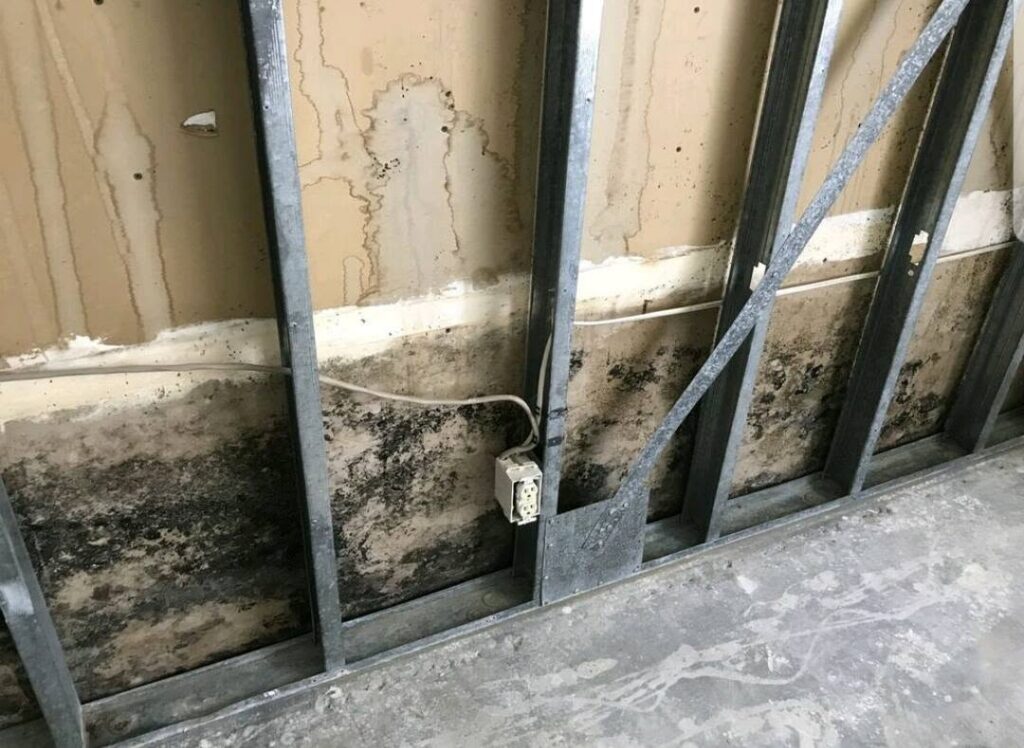
What it usually does not cover is the damage that leak leaves behind. Soaked flooring, damaged drywall, ruined cabinets, and mold growth are generally treated as separate issues from the mechanical failure that caused them. This is the part that catches a lot of homeowners off guard, since it feels like one problem even though it gets handled as two.
What a Home Warranty Actually Covers
A home warranty is a service contract, not an insurance policy. It is designed to help with the cost of repairing or replacing major systems and appliances when they break down from ordinary use.
Common examples include:
- Water heaters that fail due to age or normal wear
- Dishwashers and washing machines that stop working properly
- Interior plumbing lines that develop a leak under everyday use
- HVAC systems, which matter a great deal in our desert conditions
If one of these items fails and causes water to leak into your home, a home warranty plan will often cover fixing or replacing the item itself. Where things get complicated is everything that happens after the leak starts.
Why Water Damage Itself Usually Falls Outside a Home Warranty
Once water escapes from a broken pipe or appliance, it does not stay contained. It soaks into flooring, seeps behind baseboards, and can travel further than you would expect before anyone notices.
Most home warranty plans separate the mechanical failure from the resulting property damage. The warranty may pay to replace a cracked pipe, but the wet drywall, warped flooring, and possible mold growth that follows usually fall outside that coverage. Some plans include limited access coverage, meaning they will pay to cut into a wall to reach the broken component, but they typically stop there rather than covering the repair of that wall afterward.
This is not unusual, and it does not mean your plan failed you. It simply reflects what a home warranty is designed to do: keep your home systems running, not repair the property damage those systems sometimes cause.
How Homeowners Insurance Fits In
This is where homeowners insurance often comes into the picture. Many standard policies cover water damage caused by a sudden, accidental event, such as a pipe that bursts without warning or a washing machine hose that fails unexpectedly.
Coverage generally depends on the cause. Sudden and accidental water damage is more likely to be covered. Damage caused by long-term neglect, or something you knew about and did not address, is far less likely to be covered under a standard policy. This is one reason acting quickly after a leak matters, both for your property and for how an insurance claim may be viewed.
Every policy is different, and coverage details vary by provider and by state. This article is meant to explain how these systems generally work, not to interpret your specific warranty contract or insurance policy. For exact terms, your provider and your policy documents are the final word.
What This Means for Coachella Valley Property Owners
Desert living comes with its own set of water damage risks. Slab leaks are common throughout the Coachella Valley, often caused by shifting soil or aging pipes beneath the foundation. HVAC systems work harder here than almost anywhere else, and a failing unit can lead to condensation issues or a leak that goes unnoticed until damage has already spread.
Pool equipment, water heaters, and irrigation lines add even more potential points of failure. When one of these systems breaks down, the question of what your home warranty covers and what falls to your insurance policy becomes very real, very quickly.
When to Call a Professional Restoration Team
Whether or not your home warranty covers the damage, the water itself does not wait for that answer. Standing water and hidden moisture can lead to mold growth within a day or two, so getting professional help started early matters more than sorting out coverage first.
This is where a certified restoration team makes a real difference. Distinctive Restoration has been family owned and based in the Coachella Valley since 2008, and our technicians hold IICRC certification for water damage restoration. We back our emergency response with a guaranteed one hour arrival time, so help is close by when you need it most.
How Distinctive Restoration Helps After Water Damage
Past the physical cleanup, one of the more stressful parts of water damage is figuring out what happens next with your insurance or home warranty provider. Distinctive Restoration documents the damage thoroughly, prepares detailed reports, and communicates directly with your insurance adjuster throughout the process.
We are not able to guarantee how your home warranty or insurance provider will handle a specific claim, since that decision belongs to them. What we can do is make sure the damage is documented accurately and the cleanup is handled by a certified team from the start, which puts you in the best possible position no matter how the coverage question gets decided in the end.
Get a Professional Assessment
If you are dealing with water damage right now and are not sure whether your home warranty or insurance will cover it, do not wait to find out before getting help. The damage keeps spreading while that question gets answered.
Reach out to Distinctive Restoration through our contact page for a professional assessment of your property. Our team can walk you through what we are seeing, document the damage properly, and help you understand your next steps.
Frequently Asked Questions
Does a home warranty ever cover water damage directly?
In most cases, no. A home warranty is generally built to cover the repair or replacement of a failed system or appliance, not the water damage that results from it. Some plans include limited coverage for accessing the failed component, such as cutting into a wall, but that is different from covering the repair of the wall itself. Coverage details vary by provider and by plan, so the exact terms of your specific contract matter more than any general rule. If you are unsure what your plan covers, your warranty provider is the best source for a clear answer.
What is the difference between a home warranty and homeowners insurance?
A home warranty is a service contract that helps cover the cost of repairing or replacing home systems and appliances that fail from normal wear and tear. Homeowners insurance is different. It generally covers sudden, accidental damage to your property and belongings, such as water damage from a pipe that bursts without warning. The two are not interchangeable, and many homeowners end up needing both depending on the cause of the damage. Understanding which one applies to your situation is often the first step toward getting it resolved.
How quickly does mold become a concern after water damage?
Mold can begin growing within one to two days after water exposure, particularly in a warm environment like the Coachella Valley. This is one of the main reasons acting fast matters, regardless of how the coverage question eventually gets sorted out. Standing water and trapped moisture behind walls or under flooring create the kind of environment mold needs to take hold. Getting professional drying equipment on site early gives you the best chance of limiting that growth before it becomes a bigger problem. Waiting to sort out warranty or insurance details before starting cleanup often costs more in the long run than acting right away.
Can Distinctive Restoration help with the insurance or home warranty claims process?
Yes, in the sense that we document damage thoroughly and communicate directly with your insurance adjuster throughout the process. We are not able to guarantee how a home warranty provider or insurance company will settle a specific claim, since that decision sits with them. What we can guarantee is a certified, IICRC trained team on site with a one hour guaranteed arrival time, along with detailed documentation that puts you in a strong position no matter how the claims process unfolds. Having thorough records from the start tends to make that process smoother for everyone involved.
Is this article a substitute for reading my home warranty contract?
No, this article is meant to explain how home warranty and insurance coverage generally work, not to interpret your specific contract or policy. Home warranty plans vary widely between providers, and some include options or exclusions that are not covered here. For exact answers about your coverage, your warranty provider and your policy documents are the most reliable source. If you are dealing with active water damage, getting a professional assessment can help you understand the physical extent of the problem while you sort out the coverage details separately.